Live Build Session
Vibe Coding for Everyone:
Build and Launch Real Products with AI
What you'll walk away with
The Problem
Most Designers
Don't Ship Anything Real.
A prototype has zero market value. A shipped product has infinite potential.
The Shift
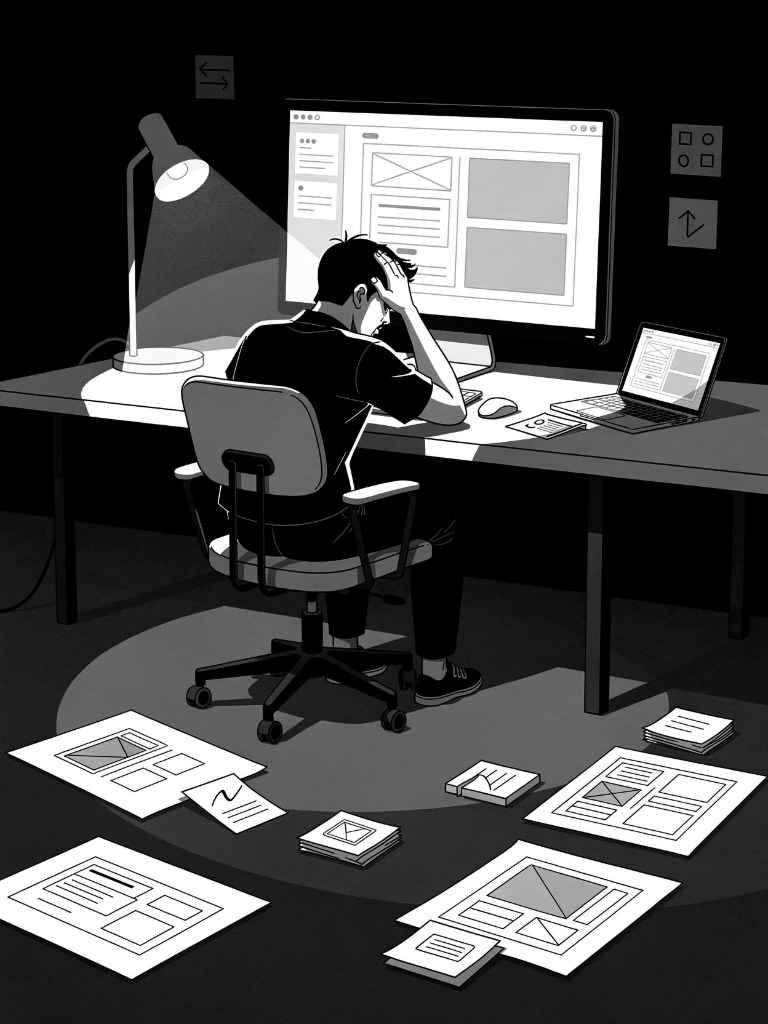
AI Changed
the Game.
What used to take a team and months of runway now takes one person and a focused afternoon.
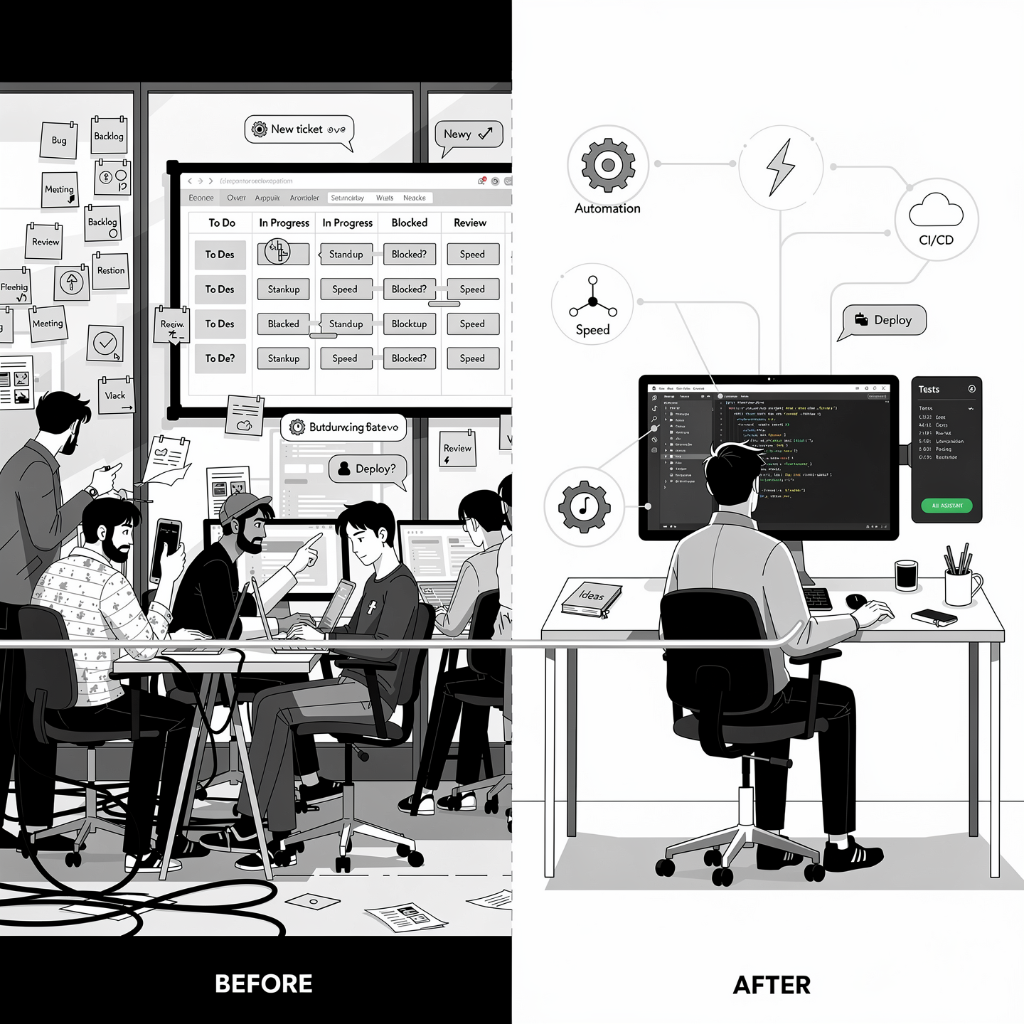
Before AI
After AI
Why This Matters
Turning Ideas Into
Products = The Goal.
The gap between "designing" and "building" is now closed — and most designers don't know it yet.
Speed Wins
The people who win right now move fastest from idea to market.
Idea → Revenue
Every idea you can ship is a potential income stream.
Designers Have the Edge
You already think in user flows and problems. AI handles the rest.
The System
This Is a
Product-Building System.
This isn't a design class. It's not about Figma tips or color theory. This is a repeatable system for turning raw ideas into real, working products — every single time.
Real Results
What This System
Actually Produces.
These aren't hypotheticals. Every result below came from running this exact system — same workflow, same tools, same six steps.
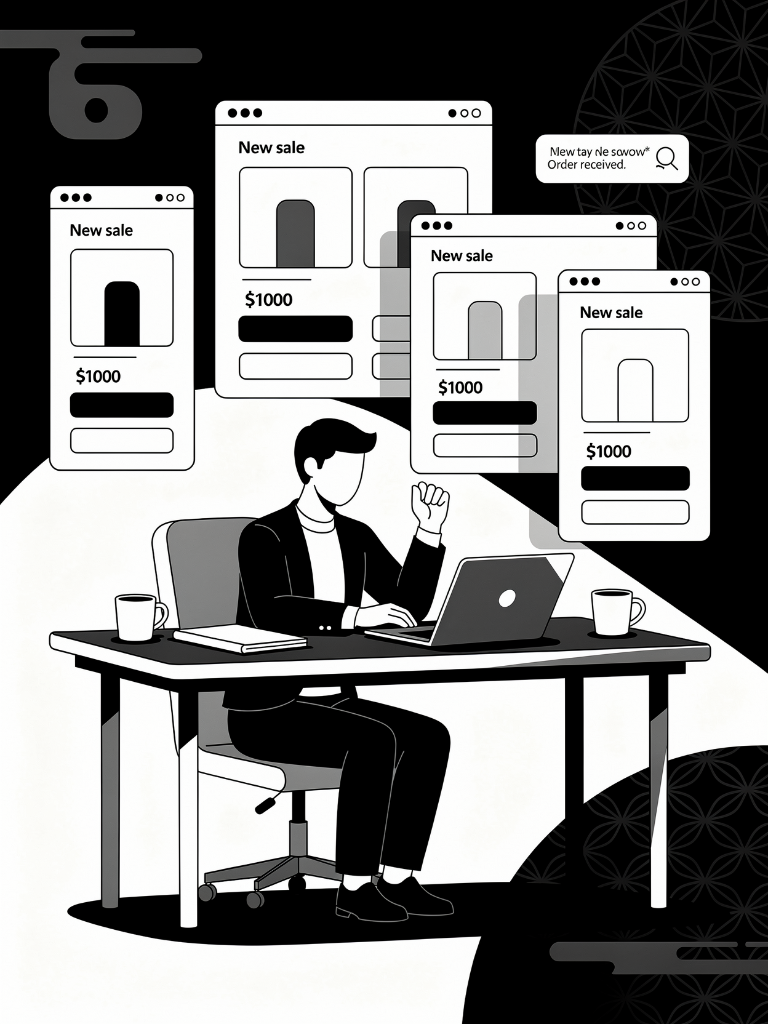
SaaS Product in 2 Days
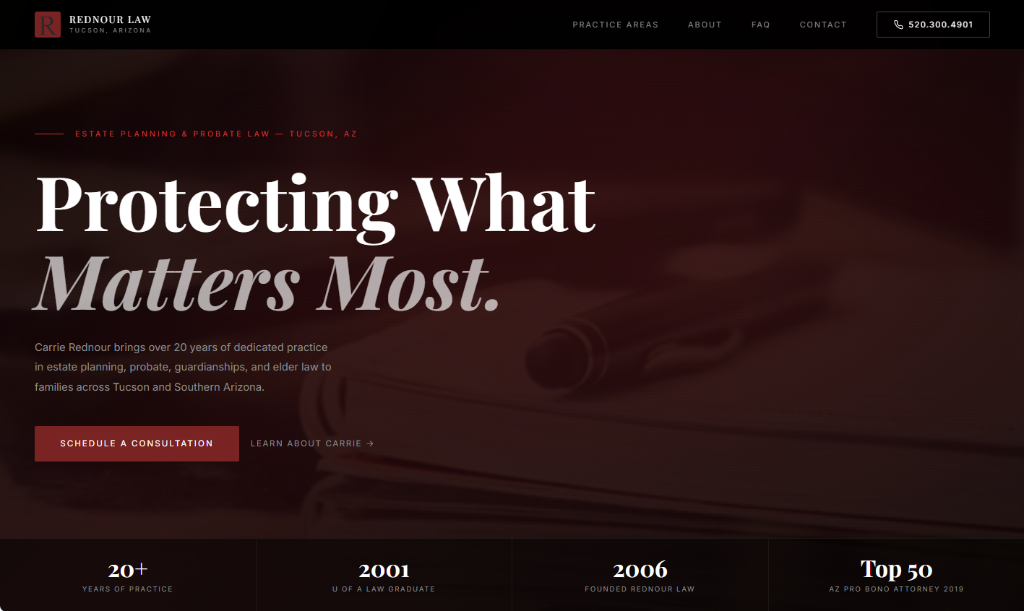
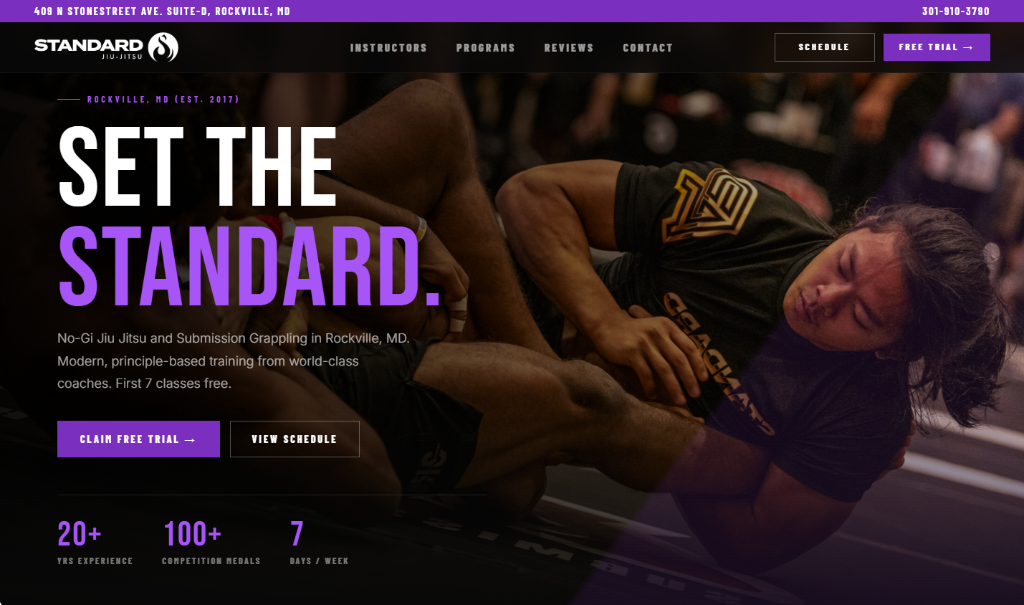
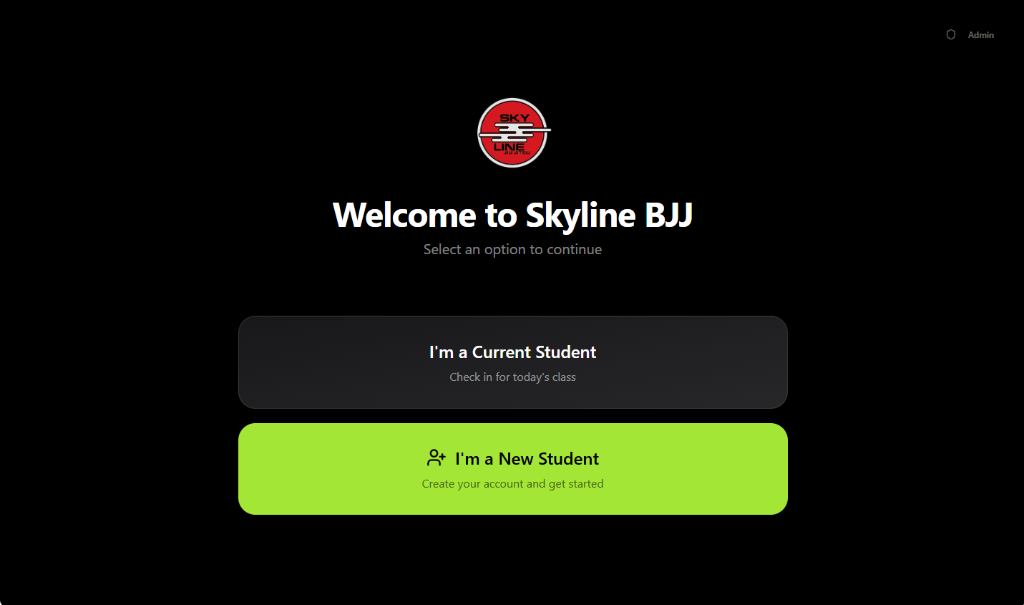
Built a fully functional SaaS tool from scratch — idea to deployed product — in 48 hours. No engineers. No agency.
Tool Sold for $5,000 — First Attempt
Built a niche tool, put it in front of the right audience, and closed a $5K deal. First product. First try.
$10K Sites Built in a Day
Custom web builds that used to take weeks and cost clients five figures now ship in hours. Same quality. Fraction of the time.
Mindset Shift
AI as a Team.
Not a Tool.
Most people use AI like a fancy search engine. They prompt it once, get an answer, and move on. That's not how you build products.
The shift is thinking of AI as a full team of specialists — each one available on demand, working in parallel, at zero hourly cost.
Your AI Team
The Process
The Workflow: Vision → Research
→ Build → Refine
This is the exact four-stage process we're about to run through live. Every product I've shipped follows this same loop — and you can learn it in one session.
Vision
Clarify the problem, audience, and core value prop
Research
AI-powered market, competitor, and customer insight
Build
From features list to working UI — in minutes
Refine
Flow, clarity, and UX polish before shipping
We're going to run this entire workflow live right now — starting from a blank page.
Moment of Truth
Watch the Process
Unfold.
We're not just building — we're breaking down the exact workflow behind it.
From raw idea to structured product: vision, research, MVP, design systems, and AI-driven outputs.
You'll see how it actually happens, step by step.

Step 1 of 6
Vision.
Start With Clarity.
The only two questions that matter
Who is this for?
"Designers" is too broad. "Freelance UX designers who sell web builds" is a person.
What problem are we solving?
Not a feature. A real, felt pain. Something they search for at 11pm.

Step 2 of 6
Research.
Know the Market Instantly.
Traditionally, market research takes weeks. With AI, you compress all of that into minutes — without losing depth.
Competitor Search
Identify who's already solving this problem, how they position themselves, what they charge, and where their users complain.
Customer Insights
Extract real language from real users — the exact phrases, frustrations, and desires your product needs to speak to.
Gap Analysis
Find the whitespace — what the market is missing, underserving, or overcharging for. That's your entry point.
Step 4 of 6
Design Direction.
Extract, Don't Invent.
The biggest mistake new builders make: designing from scratch. Great design isn't invented in isolation — it's extracted from what already works, then remixed with intention.
Step 5 of 6
Combine.
MVP + Design Direction.
Turn It Into a Real Product.
Step 6 of 6
Refine.
Polish Before You Ship.
Building fast doesn't mean shipping rough. The refine stage is where you bring your design eye back in and make the product feel intentional — not generated.
The Recap
What Just
Happened.
Your Takeaway
You Need
a System.
You don't need to memorize every step. You don't need to be a power user of every AI tool. What you need is a structured prompt system that guides you through the build — every time.
The prompts do the heavy lifting. The system creates the consistency. You bring the vision and the judgment.
Your Prompt System Covers
Closing
Q&A.
Ask Me Anything.
Great questions to ask
Let's talk
No question is too basic. The goal of this session was to make building feel accessible — if anything is still fuzzy, let's clear it up right now.
Ask about tools, workflows, pricing your work, finding your first customer, or anything else on your mind.